Why tools don’t create ease - design does
By design. explores how intentional business design creates more clarity, harmony and growth, helping solo service providers build businesses that support their lives instead of competing with them.
Some things I hear a lot, usually said with a mix of frustration and confusion, are
“I’ve got the systems.”
“I’ve added automation.”
“I’m using all these tools everyone recommends.”
“So why does everything still feel so… hard?”
If that feels true for you too, you’re not imagining it - and you’re increasingly not alone. Most people don’t struggle because they’re behind the curve on the latest or most popular tools. They struggle because tools were added before the work was designed.
Automation layered onto unclear workflows doesn’t create ease. It amplifies the mess.

AI added to decisions that already live in someone’s head doesn’t reduce effort. It increases cognitive load. And systems introduced without mapping how work actually moves through the business, rarely stick.
They simply cause chaos.
I’ve spent most of my working life inside operations - long before AI and automation were everyday tools or conversations.
What I’ve consistently seen is this:
when the flow of work isn’t clear…
when actions and outcomes aren’t defined…
when decisions don’t have a home…
when the client journey hasn’t been mapped end to end…
There’s no tool that can fix that.
“It doesn’t matter how clever or expensive the software is. If the design is missing, the pressure just shifts back onto the person running the business.”
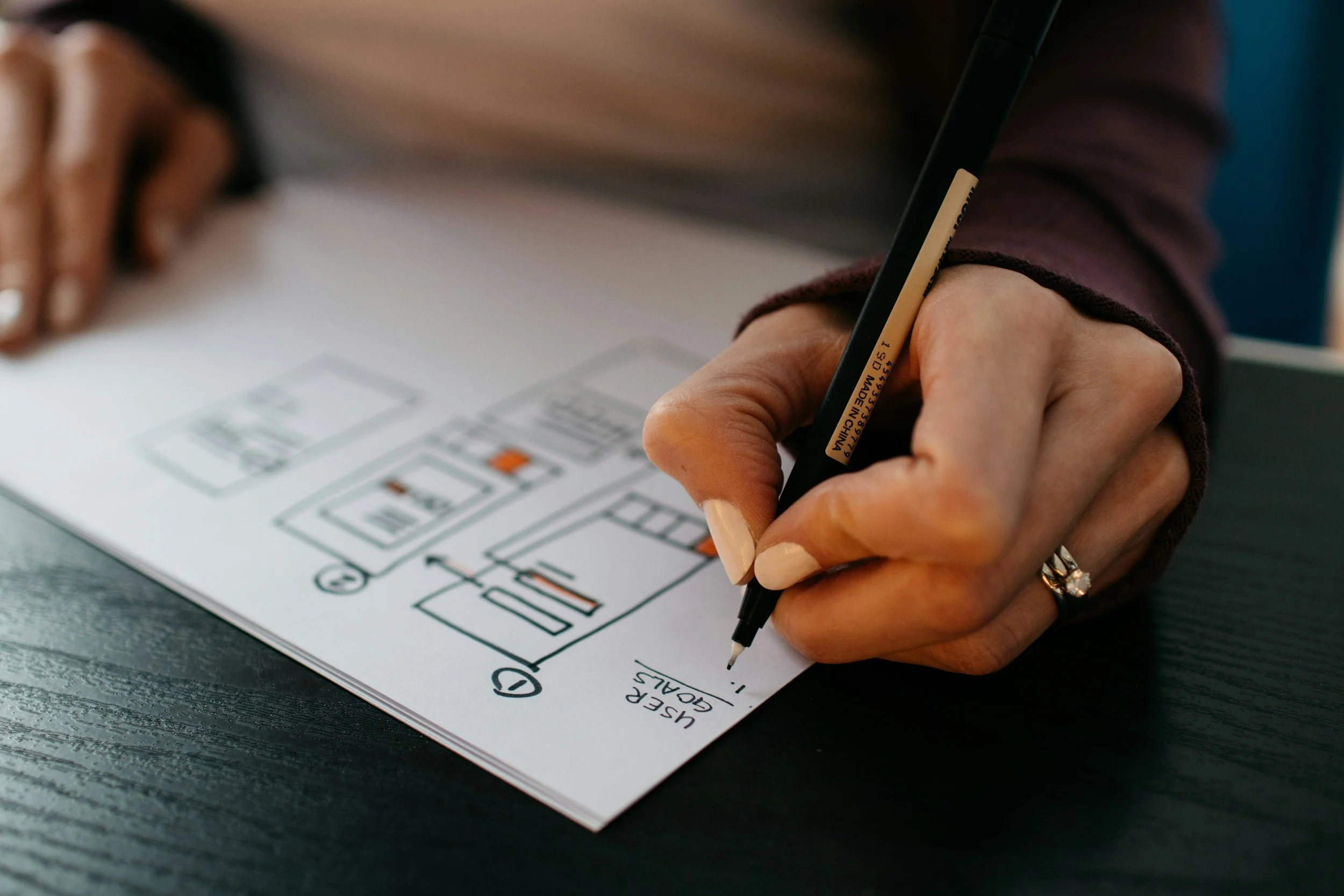
This is why I always start before the tools.
Before we talk about platforms or automation, I want to understand:
what the desired outcomes are
how work actually moves
where decisions stall
what’s being carried mentally
what the business demands day-to-day
what it needs to make possible for the person running it
Because tools don’t create clarity. They respond to it.
As a PossAbility Architect, my role isn’t to optimise what already exists. It’s to design the structure that provides possAbilities, by creating better options:
clearer flow
lighter cognitive load
fewer bottlenecks
more capacity to think
better experiences for those in and outside of the business
Once the design is in place, tools can genuinely support the business - instead of becoming another (costly) thing to manage. If things feel harder than expected after blindly adding tools, that’s invaluable feedback. Because the design didn’t come first…
But, all is not lost. It’s fixable.
About the Author
Cydelle Stewart is a PossAbility Architect, Founder of Remote PossAbilities and creator of PossAbilities by Design.
I design the operational structure behind solo service businesses so they run smoothly and don’t rely on you for everything. At Remotely Onit!, we deliver strategic design, operational clarity and the appropriate level of day-to-day support that enables you to operate from your zone of excellence whilst living your best life!
If your business feels much more like an underpaid job than it did when you started it, perhaps it’s time to explore why. Book a complimentary call to uncover how to make it feel easeful again.