

CLIENT CASE STUDY · day-to-day BUSINESS + LIFESTYLE SUPPORT
The value of peace of mind
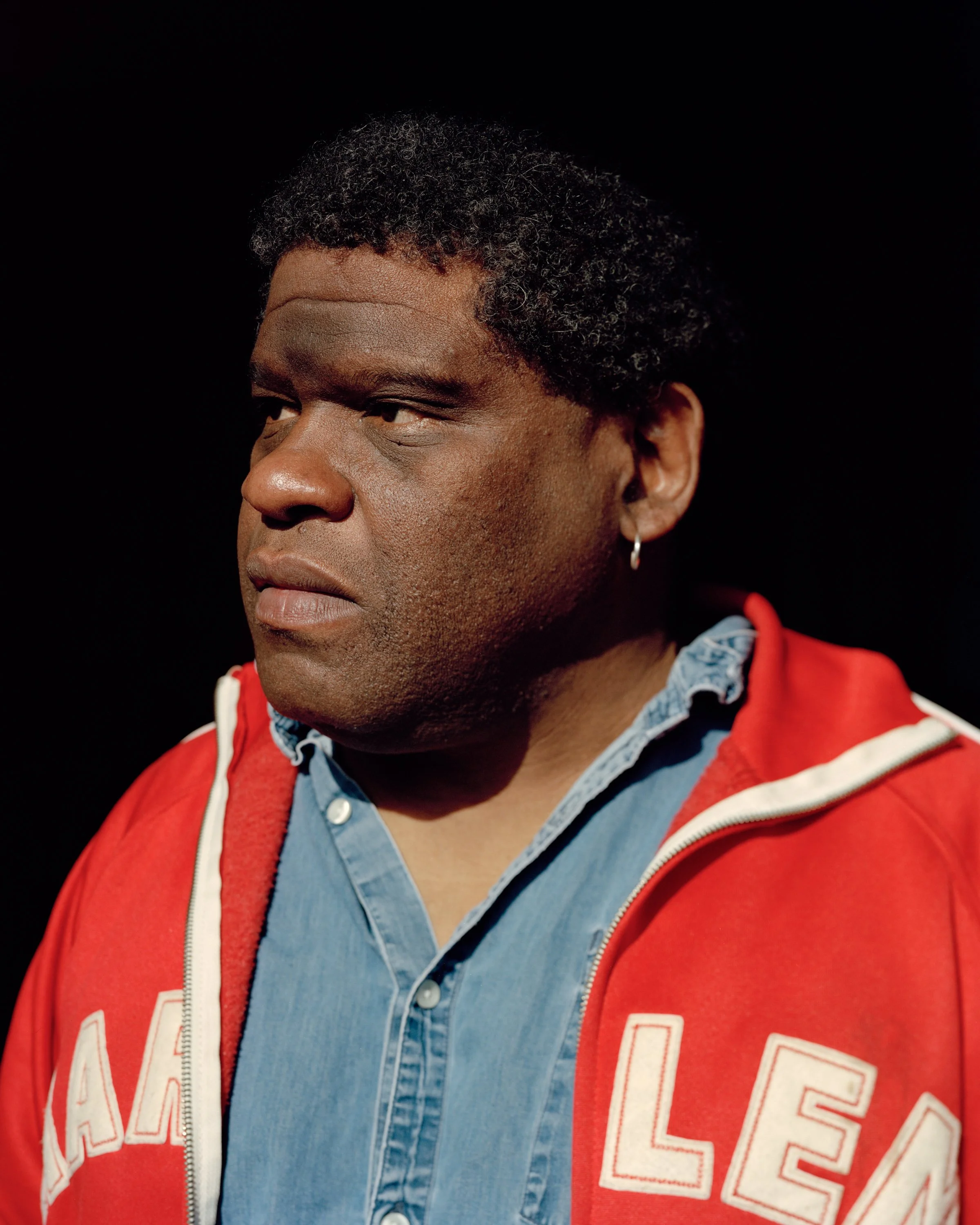
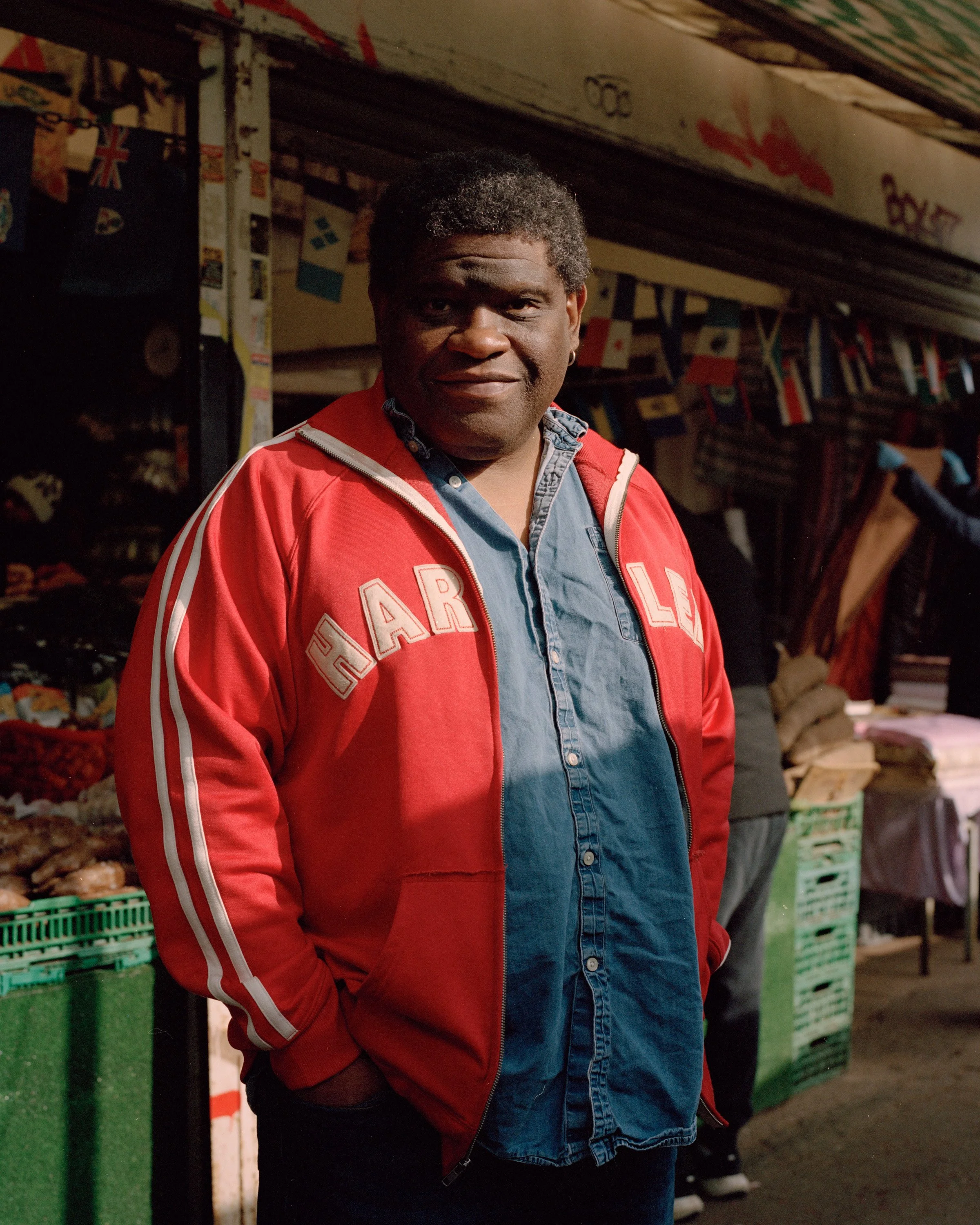
Client: Gary Younge, Author | Professor | Speaker | Award-winning Journalist
Business: Gary Younge
Service(s): Harmony day-to-day support
Resources: Airtable · Google Workspace · Slack · Remotely Onit! PossAbility Ambassador
The Transformation at a Glance
Before
✘ Gary was juggling his core work alongside a significant volume of administration
✘ Emails and requests could remain unanswered, sometimes resulting in missed opportunities
✘ Invoicing was easily delayed or sometimes never completed
✘ Speaking and other requests often arrived without the information needed to make a decision
✘ Scheduling, travel and logistics competed for Gary's attention
✘ Saying no and discussing money created additional professional friction
✘ Gary often had to work out what needed doing before anything could happen
✘ Opening an overloaded inbox could come with a sense of dread.
After
✔ Ongoing support handles much of the operational work surrounding Gary’s professional life
✔ Enquiries are filtered, clarified and responded to within an established support structure
✔ Invoices are raised and followed through, including navigating complex organisational payment processes
✔ Key details including scope, timings, location and fees are established before Gary needs to engage
✔ Bookings, diary details, travel and accommodation are coordinated around Gary’s commitments
✔ Support provides a buffer, creating clearer boundaries around requests and commercial conversations
✔ Gary can bring us the problem without first having to design the solution
✔ There is greater structure around the communications and commitments competing for his attention.
The Challenge
Gary knew there was a problem long before he knew what the solution looked like.
His professional life has always contained multiple moving parts: journalism, writing, broadcasting, speaking, teaching and the many opportunities, requests and commitments that come with them.
And underneath all of that sat the administration.
Emails needed answering. Invoices needed raising. Payments needed chasing. Speaking enquiries needed clarifying. Diaries needed coordinating. Travel needed arranging.
Gary's view was fairly straightforward:
That wasn't the work he was there to do.
As he puts it, his job is to “read and write and think and talk.”
But the infrastructure surrounding that work still needed to function.
By 2016, when Gary and Cydelle reconnected while working at The Guardian, he described himself as being “buried” beneath his Guardian work, additional professional work and commitments outside it.
He was missing payments because invoices weren't being submitted. People weren't always getting responses. Opportunities could disappear into an overloaded inbox.
Gary had recognised the problem years earlier.
What he hadn't realised was that independent, remote administrative support could be the solution.
The conversation with Cydelle changed that.
And in January 2017, Gary became one of the first clients of the newly reconfigured Onit! business.
He's still here today.
The Support
The relationship began with the obvious pressure points: invoicing, email, scheduling and the logistics surrounding Gary's work.
The value became apparent remarkably quickly.
One of the earliest invoices we handled involved navigating a university's particularly elaborate payment process. What should have been relatively straightforward ultimately took seven months of follow-up.
Gary is fairly certain he wouldn't even have submitted the invoice himself, let alone pursued it through months of bureaucracy.
That experience shifted his understanding of what he was paying for. What initially felt like a significant investment very quickly demonstrated its value.
But the relationship didn't remain a collection of delegated administrative tasks.
Over time, we learned how Gary works, where the friction tends to appear and what needs to happen around him for his professional life to function more smoothly.
Speaking requests are clarified before they reach the decision stage.
What exactly are they asking Gary to do? Where? For how long? Is it paid? What is the fee? What other information is missing?
Once Gary decides yes or no, the operational work surrounding that decision can happen without requiring him to manage it.
Scheduling is coordinated.
Travel and accommodation are arranged.
Invoices are raised and followed up.
Book requests and deadlines are filtered.
Information appears where Gary needs it - including addresses and travel details in his diary rather than buried somewhere in an email thread.
And sometimes the requirement is simply:
Gary has a problem. We figure out what happens next.
That distinction has become fundamental to the relationship.
He doesn't need to arrive with a neatly packaged task, instructions and a solution already worked out.
The thinking is part of the support.
The Transformation
There is a moment in Gary's conversation (video below) that captures the value of the relationship better than any productivity metric could.
He was travelling for work and realised he'd forgotten his passport.
On that particular day, Gary was delivering two talks, followed by another two the next day. One of those talks involved testing material from the first chapter of his new book.
That was the work that needed his attention.
Not researching couriers.
Not figuring out collection windows.
Not coordinating the movement of a passport from one location to another while travelling.
So Gary told us what had happened.
We dealt with the rest.
As he explained afterwards:
“I didn't want to be thinking about passports and whatnot… That's the point, right? I say it to you, you take care of it, and I can focus on what I'm actually employed to do.”
That is what the partnership has increasingly become.
Not the absence of a busy life.
Not a magically empty diary.
And certainly not Gary suddenly developing a passionate relationship with administration.
It's infrastructure around the life and work he has chosen.
Gary can continue writing, speaking, teaching, travelling and accepting the opportunities that matter to him without personally carrying every operational consequence of doing so.
He still makes the decisions.
Support doesn't decide whether an opportunity is interesting, whether he wants to speak at an event or whether he wants to read a particular book.
Instead, it removes much of the administrative and logistical work surrounding those decisions.
There is also now a professional layer between Gary and the volume of people trying to reach him.
Requests are clarified.
Incomplete enquiries are questioned.
Fees can be discussed without awkwardness.
A no can be communicated clearly.
And people who regularly work with Gary have learned that there is a structure around him. Some now address enquiries directly to the team because they understand that this is how his professional world operates.
As Gary describes it, having that layer “roots the whole thing in a professional context.”
That isn't simply diary management.
It's capacity.
It's boundaries.
It's continuity.
And, most of all, it's peace of mind.
The Client Perspective
Gary Younge Case Study Video Interview, featuring Gary YoungePOSSABILITIES BY DESIGN.
LIFE BY CHOICE.
POSSABILITIES BY DESIGN. LIFE BY CHOICE.
What Became PossAble
Gary and Cydelle actually knew each other long before Remotely Onit! entered the picture.
Years earlier, Gary was The Guardian's correspondent in the United States while Cydelle worked on the foreign news desk in London.
There were travel bookings.
There were phone calls.
There was apparently quite a lot of banter.
And, in Gary's words, “general shenanigans.”
More than a decade later, they found themselves working at The Guardian again.
This time, Cydelle was preparing to restart her business with a different focus.
Gary was buried beneath the operational demands surrounding his work.
A conversation followed.
Then a client relationship.
And what began in January 2017 has become the longest-standing client partnership in Remotely Onit!'s history.
The work has evolved as Gary's life and career have evolved.
The tools have changed.
The communication methods have changed - including Gary's eventual surrender to Slack after initially responding to the suggestion with what can essentially be summarised as “absolutely bloody not”. 😂
The scope has expanded beyond straightforward business administration into the places where work and life inevitably overlap.
But the fundamental purpose has remained remarkably consistent:
Gary gets to concentrate more of himself on the things that require Gary.
His thinking.
His writing.
His teaching.
His speaking.
His relationships.
His decisions.
The infrastructure around him takes care of more of what doesn't.
And perhaps that's why peace of mind is the right measure of this particular transformation.
After almost a decade, the greatest value isn't that Gary has somebody who can send an invoice or book a train.
It's knowing he doesn't have to hold all of it in his own head.
Something can happen.
Gary can tell us.
And then he can get back to being Gary.
Your support should fit the life you're actually living
You don't need to become overwhelmed before you're allowed to want support.
And you don't need to hand over control of your business to stop personally carrying every detail of it.
Harmony is our ongoing Business + Lifestyle support for founders whose work, responsibilities and lives need trusted infrastructure around them.
We learn how you operate, take ownership of the work that doesn't need to remain with you, anticipate what comes next and create continuity around the things that still need to happen.
So you can direct more of your capacity towards the work - and life - that actually requires you.